Introduction
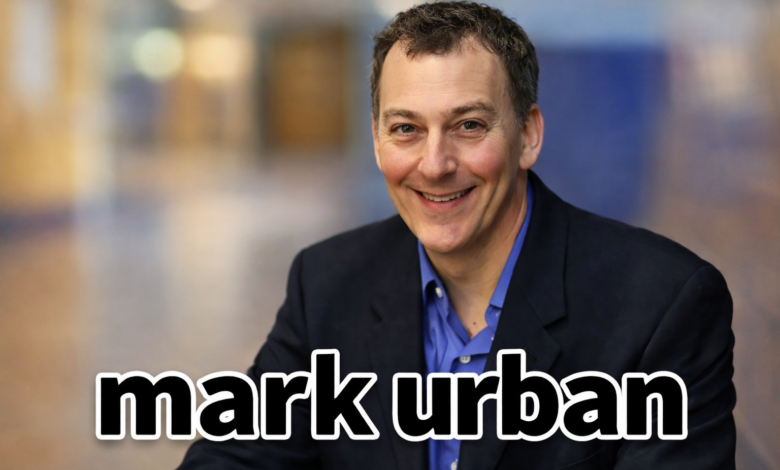
Mark Urban is widely recognised as one of the most influential British journalists in the field of defence, diplomacy, and international conflict. For decades, his reporting has shaped public understanding of war, intelligence operations, and global power struggles. His work stands out for its clarity, depth, and credibility, built through direct experience, historical scholarship, and frontline reporting.
At the same time, his career reflects the challenges of modern journalism. Reporting on sensitive military and intelligence matters brings scrutiny, controversy, and pressure from political and institutional forces. This balance between authority and accountability defines Mark Urban’s professional journey and makes his career both compelling and instructive.
Quick Bio
| Attribute | Details |
|---|---|
| Full Name | Mark Lee Urban |
| Date of Birth | 26 January 1961 |
| Age | 65 (as of 2026) |
| Birthplace | London, England |
| Nationality | British |
| Profession | Journalist, Author, Military Historian |
| Education | International Relations, London School of Economics |
| Known For | Defence and diplomatic journalism, military history books |
Early Life and Education
Mark Urban was born and raised in London, where he developed an early interest in world affairs and political history. Growing up in a city deeply connected to global diplomacy and power, he was exposed from an early age to international perspectives that would later define his professional focus.
He pursued higher education at the London School of Economics, studying International Relations. This academic background provided him with a strong theoretical understanding of global politics, security studies, and state power. His education laid the intellectual foundation for a career that would blend journalism with historical and strategic analysis.
Military Experience and Its Influence
Before fully committing to journalism, Mark Urban undertook military service, including time with the Royal Tank Regiment and later the Territorial Army. This experience proved critical in shaping his professional credibility. Unlike many commentators, he gained firsthand insight into military culture, command structures, and operational realities.
This background gave his reporting an edge. His writing consistently reflects an understanding of soldiers’ experiences, institutional decision-making, and the gap between political rhetoric and operational reality. It also explains why his work resonates strongly with both civilian audiences and military professionals.
Start of a Distinguished Journalism Career
Mark Urban began his professional career at the BBC in the early 1980s, initially working behind the scenes as an assistant producer. This early role allowed him to understand the mechanics of broadcast journalism, editorial decision-making, and storytelling under pressure.
He later became the founding defence correspondent for a national newspaper, marking a decisive shift toward specialist reporting. Covering defence during a period of global transition demanded analytical precision, as Cold War dynamics were giving way to new forms of conflict and security threats.
BBC Newsnight and Career Breakthrough
Mark Urban’s reputation was firmly established during his long tenure with BBC Newsnight. Over several decades, he served as reporter, Middle East correspondent, and eventually diplomatic and defence editor. In these roles, he covered major international conflicts, evolving security doctrines, and diplomatic crises.
His reporting style combined calm authority with analytical depth. While praised for accuracy and balance, his work also attracted criticism from those who believed defence journalism should be either more supportive or more confrontational. This tension reflects the difficult space he occupied between journalism and national security.
Author and Military Historian
Alongside broadcasting, Mark Urban built a parallel career as an author. His books explore military history, intelligence operations, and strategic power with exceptional detail. Rather than focusing on abstract theory, he grounds his narratives in archival research, interviews, and operational realities.
His writing has been widely respected for its depth, though some critics argue that access to official sources risks limiting critical distance. This debate itself underscores his importance, as his work consistently sits at the centre of serious discussions about war, ethics, and state power.
Writing Style and Analytical Approach
Mark Urban’s work is characterised by clarity, restraint, and depth. He avoids sensationalism, preferring evidence-based analysis over emotional framing. This approach has earned trust but has also been criticised for lacking overt moral judgement in highly charged conflicts.
Positively, this style enhances credibility and long-term relevance. Negatively, it can feel detached to audiences seeking strong moral positioning. Yet this balance is precisely what has allowed his work to endure across changing political climates.
Later Career and Ongoing Influence
After leaving his long-standing broadcast role, Mark Urban continued his career as a writer and commentator. His later work focuses on strategic shifts in global power, emerging security threats, and the changing nature of warfare. He remains an active voice in public debate, adapting to digital platforms while maintaining analytical rigour.
His transition reflects broader changes in journalism, where long-form analysis and independent commentary increasingly shape elite discourse. Urban’s ability to remain relevant demonstrates professional adaptability and intellectual consistency.
Legacy and Impact
Mark Urban’s legacy lies in elevating defence journalism from reactive reporting to informed analysis. He helped normalise deep, historically grounded explanations of military and diplomatic events for mainstream audiences.
However, his career also highlights the limits of access journalism and the pressures faced by reporters operating close to power. His work invites readers not only to understand conflict, but also to question how information about war is produced and presented.
Conclusion
Mark Urban stands as a defining figure in modern British journalism. His career reflects both the strengths and tensions of reporting on war, intelligence, and diplomacy. Through disciplined analysis and long-term engagement with global affairs, he has shaped how conflict is explained rather than merely reported.
His work remains essential reading for anyone seeking to understand the realities behind headlines. Whether admired for authority or questioned for restraint, Mark Urban’s influence on defence journalism is undeniable and enduring.
Frequently Asked Questions (FAQ)
Who is Mark Urban?
Mark Urban is a British journalist, author, and military historian known for his reporting on defence, diplomacy, and global conflicts.
What is Mark Urban best known for?
He is best known for his long career covering international security issues and for his books on military history and intelligence.
What did Mark Urban study?
He studied International Relations at the London School of Economics.
Did Mark Urban serve in the military?
Yes, he undertook military service, which significantly influenced his understanding of defence and security reporting.
Is Mark Urban still active in journalism?
Yes, he continues to write and comment on international affairs, focusing on strategy, conflict, and global power shifts.