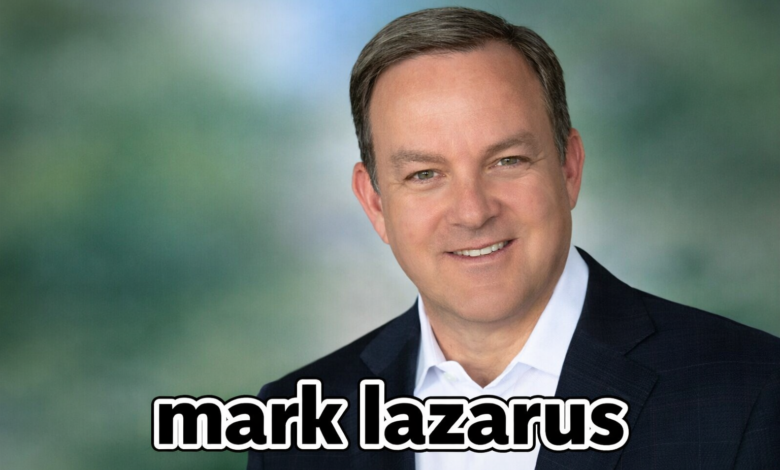
Introduction
Mark Lazarus stands as one of the most influential media executives of the modern era, known for his decisive leadership, long-term strategic thinking, and ability to navigate both growth opportunities and structural challenges within the global media industry. His career reflects not only success but also the pressures and criticisms that come with steering legacy media businesses through rapid digital disruption.
While widely respected for negotiating landmark sports broadcasting deals and leading some of the most powerful media organizations in the world, Mark Lazarus has also faced the reality of managing declining linear television audiences and the need for constant reinvention. This balance of achievement and challenge defines his professional legacy and makes his story both compelling and instructive.
Quick Bio
| Field | Details |
|---|---|
| Full Name | Mark H. Lazarus |
| Nationality | American |
| Education | Bachelor’s degree, Vanderbilt University |
| Known For | Media executive and broadcast industry leadership |
| Current Role | Chief Executive Officer, Versant Media Group |
| Active Years | 1990–present |
| Marital Status | Married |
| Children | Three |
| Birthplace | U.S. military base, West Germany |
Early Life and Education
Mark Lazarus was born on a United States military base in West Germany, a result of his father’s service overseas. He later grew up in the United States, where he was exposed early to the media and entertainment industry through family connections and professional surroundings. This early exposure played a formative role in shaping his understanding of broadcasting, production, and corporate media operations.
He pursued higher education at Vanderbilt University, earning a bachelor’s degree in political science. Rather than following a traditional political or legal path, Lazarus applied his analytical training to the business of media, using his academic foundation to understand regulation, negotiation, and organizational leadership within large institutions.
Start of Career and Early Professional Development
Mark Lazarus began his career working in hands-on television and production-related roles, gaining firsthand experience in how broadcast media functions at an operational level. These early positions allowed him to understand the technical, creative, and commercial sides of television before moving into executive leadership.
This practical foundation distinguished him from executives who entered the industry purely through corporate pathways. It also shaped his reputation as a leader who understands both the strategic and operational realities of media organizations, a strength that would later define his executive style.
Rise at Turner Sports and Turner Entertainment
In 1990, Lazarus joined Turner Sports, marking the beginning of his ascent into senior media leadership. Over the next decade, he rose through the ranks and eventually became President of Turner Sports. In this role, he was instrumental in strengthening Turner’s sports portfolio and expanding its influence in live event broadcasting.
Later, as President of Turner Entertainment Group, Lazarus oversaw a broader range of television and entertainment assets. His tenure was marked by expansion, strong rights negotiations, and the reinforcement of sports programming as a cornerstone of broadcast television. However, this period also required navigating increasing competition and rising costs associated with premium content rights.
Transition to NBCUniversal and Industry Leadership
Mark Lazarus joined NBCUniversal in 2010, a move that significantly expanded his influence across the global media landscape. He quickly assumed senior leadership roles, including Chairman of NBC Sports Group, where he oversaw major international and domestic sports partnerships.
Under his leadership, NBCUniversal strengthened its position in live sports broadcasting, a segment considered resistant to time-shifted viewing and digital disruption. At the same time, Lazarus faced growing pressure to modernize traditional broadcast models and respond to evolving viewer behavior, particularly the shift toward streaming platforms.
Executive Strategy and Media Vision
Lazarus is widely recognized for prioritizing live content, brand strength, and long-term rights strategies. His approach emphasizes scale, consistency, and disciplined investment rather than short-term experimentation. This strategy has been praised for protecting enterprise value but also critiqued for being cautious during periods of rapid technological change.
Despite criticism, his leadership style reflects a pragmatic understanding of media economics. Rather than abandoning legacy platforms, he has focused on extracting value from established brands while gradually repositioning them for a digital future.
Versant Media Group and Corporate Transformation
In 2025, Mark Lazarus was appointed Chief Executive Officer of Versant Media Group, a newly formed company created from the separation of major cable and digital media assets. This role placed him at the center of one of the most significant structural shifts in modern media corporate history.
Leading Versant requires balancing profitability with reinvention. While the company benefits from powerful brands and established audiences, it must also confront declining traditional television consumption. Lazarus’s leadership at Versant represents both an opportunity and a test of his long-standing strategic philosophy.
Leadership Impact and Industry Reputation
Mark Lazarus is regarded as a disciplined, results-oriented executive with deep institutional knowledge. He has earned recognition for shaping the modern sports broadcasting ecosystem and for managing complex organizations during periods of uncertainty.
At the same time, his career highlights the tension between stability and innovation. Supporters credit him with preserving value and influence, while critics argue that legacy media leaders must move faster to fully embrace digital transformation. This dual perception underscores the complexity of his professional legacy.
Legacy and Long-Term Influence
The legacy of Mark Lazarus lies in his ability to sustain relevance in an industry defined by constant disruption. Few executives have successfully led across multiple eras of media evolution, from traditional broadcast dominance to the streaming age.
Whether viewed as a stabilizer of legacy media or a cautious reformer navigating inevitable change, Lazarus’s influence on global broadcasting is undeniable. His career offers a powerful case study in leadership under pressure, strategic continuity, and the cost of adaptation in one of the world’s most competitive industries.
Conclusion
Mark Lazarus represents both the strength and the challenge of modern media leadership. His career is defined by strategic victories, institutional influence, and difficult trade-offs rather than simple success narratives. As the media industry continues to evolve, his leadership at Versant Media Group will play a critical role in shaping how established brands survive and adapt.
His story is not just one of power and prestige, but also of responsibility, resilience, and the ongoing struggle to balance tradition with transformation.
Frequently Asked Questions
Who is Mark Lazarus?
Mark Lazarus is an American media executive known for his leadership roles at major broadcast and media companies, including Turner and NBCUniversal, and for serving as CEO of Versant Media Group.
What is Mark Lazarus known for?
He is best known for shaping sports broadcasting strategies, negotiating major media rights, and leading large media organizations through industry change.
Where was Mark Lazarus born?
He was born on a U.S. military base in West Germany.
What is Mark Lazarus’s educational background?
He earned a bachelor’s degree from Vanderbilt University.
Is Mark Lazarus involved in business ventures?
Yes, his primary business involvement has been executive leadership across major media companies rather than independent entrepreneurial ventures.
What defines Mark Lazarus’s legacy?
His legacy lies in long-term media leadership, strategic discipline, and navigating the transition from traditional broadcasting to a digitally driven media environment.