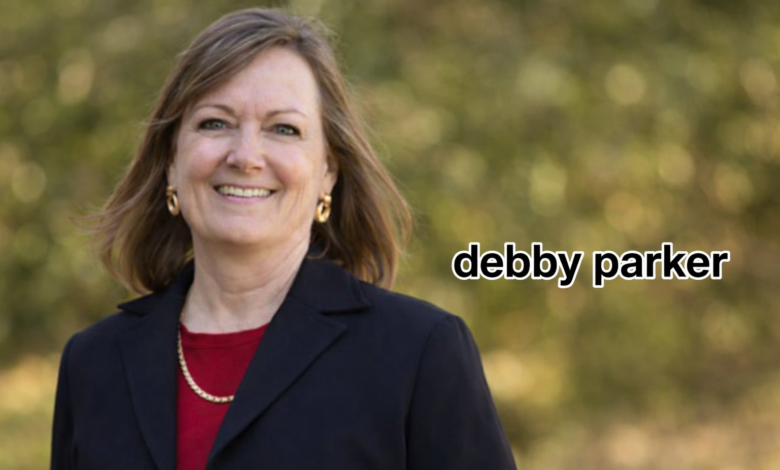
Debby Parker Biography: The Fearless Indigenous Leader Who Changed History and Challenged Injustice

Introduction
Debby Parker is one of the most respected Indigenous leaders in the United States, known for her fearless advocacy and powerful voice for Native American communities. Her journey from growing up in a tribal environment to becoming a national figure reflects determination, resilience, and deep commitment to justice. While many leaders struggle to balance cultural identity and political leadership, Debby Parker embraced both and used her voice to protect her people and strengthen their future.
Her leadership is not only inspiring but also historically important. She has worked tirelessly to empower Indigenous women, strengthen tribal governance, and ensure Indigenous communities are heard at the national level. Despite challenges and resistance, Debby Parker never stopped fighting for what she believed in, and her efforts helped create meaningful change.
Quick Bio
| Field | Details |
|---|---|
| Full Name | Deborah Parker |
| Native Name | cicayalc̓aʔ |
| Year of Birth | 1970 |
| Birthplace | Washington State, United States |
| Nationality | American |
| Ethnicity | Indigenous American (Tulalip, Lummi, Yaqui, Apache) |
| Education | University of Washington |
| Profession | Indigenous Leader, Activist |
| Known For | Indigenous Rights Advocacy |
| Marital Status | Widowed |
| Husband | Myron Dewey |
| Children | Yes |
| Residence | Tulalip, Washington, United States |
Early Life and Cultural Roots
Debby Parker was born in Washington State and raised in the Tulalip tribal community. Growing up in this environment gave her a strong sense of cultural identity and responsibility. She learned the values of leadership, community service, and respect for tradition from her family and tribal elders. These early lessons played a major role in shaping her future.
Her Indigenous heritage connects her to Tulalip, Lummi, Yaqui, and Apache ancestry. This rich cultural background gave her a deep understanding of Indigenous struggles and strengths. Living within her community allowed her to witness both the beauty and the challenges faced by Indigenous people, which inspired her to pursue leadership.
Education and Academic Journey
Debby Parker attended the University of Washington, where she earned a Bachelor of Arts degree in American ethnic studies and sociology. Her education helped her develop a strong understanding of social justice, cultural identity, and political systems. She learned how policies impact Indigenous communities and how leadership can create meaningful change.
Her academic journey gave her the tools needed to become an effective advocate. She studied the history of Indigenous people, social inequality, and leadership development. This knowledge became a foundation for her future career in tribal leadership and activism.
Start of Career and Community Leadership
Debby Parker began her career working in leadership and policy roles within the Tulalip Tribes. She focused on improving community programs, supporting families, and strengthening tribal governance. Her early work showed her dedication to helping her people and improving their quality of life.
Her leadership skills quickly became clear, and she gained respect within her community. She worked closely with tribal leaders and community members to develop programs that supported education, family stability, and cultural preservation. Her efforts helped strengthen her tribe and prepare her for greater leadership roles.
Becoming Vice-Chairwoman of Tulalip Tribes
In 2012, Debby Parker achieved a major milestone when she was elected Vice-Chairwoman of the Tulalip Tribes Board of Directors. This leadership position gave her the opportunity to influence important decisions and represent her people at a higher level. Her election was a proud moment for her community.
As Vice-Chairwoman, she worked to strengthen tribal governance and protect Indigenous rights. She focused on improving programs, supporting families, and ensuring tribal voices were heard. Her leadership brought positive change and strengthened the tribal government.
National Advocacy and Influence
Debby Parker gained national recognition for her advocacy for Indigenous women and communities. She became a powerful voice for justice and worked to ensure Indigenous people were represented in national discussions. Her advocacy helped bring attention to important issues affecting Native American communities.
Her leadership extended beyond her tribe and reached national platforms. She spoke publicly, worked with national organizations, and helped influence policies. Her work helped strengthen the voice of Indigenous people and increased awareness of their struggles and rights.
Indigenous Women Rise and Leadership Impact
Debby Parker co-founded Indigenous Women Rise, an organization focused on empowering Indigenous women and communities. This organization works to support leadership, education, and cultural preservation. Her role in founding this organization shows her commitment to long-term change.
Through her leadership, she helped create opportunities for Indigenous women to grow and succeed. She focused on empowerment, education, and advocacy. Her work helped build stronger communities and inspired future leaders.
Career Overview and Achievements
Debby Parker’s career reflects years of dedication and leadership. She worked in tribal government, national advocacy, and organizational leadership. Her work helped strengthen tribal governance and empower Indigenous communities.
Her achievements include leadership roles, advocacy work, and national influence. She has become a respected leader and role model for many people. Her career shows the power of leadership, courage, and dedication.
Legacy and Long-Term Influence
Debby Parker’s legacy is one of courage, leadership, and positive change. She helped strengthen Indigenous communities and ensure their voices were heard. Her leadership created opportunities for future generations.
Her influence continues to inspire Indigenous leaders and activists. She showed that strong leadership can create lasting change. Her work will continue to impact Indigenous communities for many years.
Conclusion
Debby Parker’s journey is both powerful and inspiring, showing how leadership, courage, and dedication can create real change. She rose from her tribal roots and became a national Indigenous leader who helped empower communities and protect cultural identity. Her story proves that strong leadership can overcome challenges and inspire future generations.
Her legacy continues to grow as her work influences Indigenous communities and leaders. Debby Parker remains a symbol of strength, resilience, and leadership. Her contributions will always be remembered as part of Indigenous history and leadership.
FAQ
Who is Debby Parker?
Debby Parker is an Indigenous American leader and activist known for her leadership in the Tulalip Tribes and advocacy for Indigenous communities.
What is Debby Parker known for?
She is known for her leadership, Indigenous rights advocacy, and community empowerment.
Where was Debby Parker born?
She was born in Washington State, United States.
What is Debby Parker’s nationality?
She is American.
What organization did Debby Parker co-found?
She co-founded Indigenous Women Rise, which supports Indigenous women and communities.
blogfix