Nate Ted Lasso: The Rise, Struggles, and Legacy of AFC Richmond’s Tactical Genius

Introduction
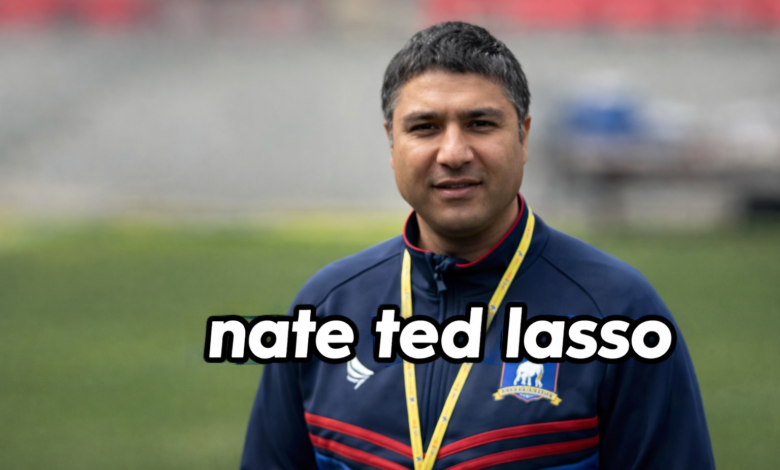
Nathan “Nate” Shelley, popularly known as Nate Ted Lasso, is one of the most compelling characters in the Apple TV+ series Ted Lasso. Introduced as a humble kit man, Nate quickly becomes a key figure in AFC Richmond, demonstrating his tactical brilliance and unique approach to football. His journey, filled with moments of triumph, insecurity, and conflict, resonates with audiences around the world. Nate’s character embodies themes of recognition, ambition, and the challenges of personal growth within a competitive sports environment.
Nate’s story is not just about football; it reflects the human desire for acknowledgment and respect. His transformation from a shy, overlooked team member to a prominent coach highlights both the positive impact of mentorship and the potential pitfalls of unchecked ego. Understanding Nate Ted Lasso offers insights into how leadership, validation, and personal choices shape character development in both fiction and real-life inspirations.
Quick Bio
| Attribute | Details |
|---|---|
| Full Name | Nathan “Nate” Shelley |
| Nickname | Nate the Great, Wonder Kid |
| Birthplace | London, United Kingdom |
| Nationality | British |
| Role in Show | AFC Richmond Kit Man → Assistant Coach → Head Coach of West Ham United |
| Known For | Tactical intelligence, strategic planning, character evolution |
| Personality Traits | Intelligent, insecure, ambitious, occasionally resentful |
| Relationships | Romantic interest: Jade (Season 3) |
Early Life and Personality
Humble Beginnings
Nate Ted Lasso starts his story as a quiet, observant kit man who is often overlooked by his peers. His humble beginnings shape much of his personality, including his initial lack of confidence and desire to be seen as valuable. Despite working behind the scenes, Nate demonstrates an exceptional understanding of football tactics, proving that knowledge and intelligence can exist beyond traditional roles.
Growing up largely in the shadows of more prominent figures, Nate’s early experiences foster a mix of determination and insecurity. This combination drives his ambition to prove himself and earn respect, while also making him vulnerable to self-doubt and resentment when recognition is delayed or withheld.
Mentorship and Early Recognition
The arrival of Ted Lasso as head coach changes Nate’s trajectory significantly. Ted notices Nate’s potential, listens to his insights, and treats him with respect, sparking a sense of belonging and confidence. This mentorship illustrates the powerful impact of supportive leadership and how recognizing talent in unconventional places can transform careers.
Nate’s growth under Ted’s guidance also reveals his complex emotional makeup. While he thrives under positive reinforcement, Nate struggles with the darker aspects of ambition and personal validation, highlighting the nuanced portrayal of his character.
Career Progression
From Kit Man to Assistant Coach
Initially, Nate Ted Lasso’s role involves maintaining kits and equipment. However, his deep understanding of football strategy quickly earns him a promotion to assistant coach. In this position, Nate contributes to game plans, tactical adjustments, and player motivation, becoming an indispensable part of the team’s success.
This career leap emphasizes the importance of recognizing hidden talent. Nate’s ascent is not just a story of professional growth but also a lesson in humility, persistence, and seizing opportunities when they arise.
Leadership Challenges and Growth
As assistant coach, Nate experiences the pressures of leadership, including managing players, strategizing for high-stakes matches, and navigating interpersonal dynamics. While his tactical genius shines, the responsibilities bring new challenges that test his confidence and ethics.
These challenges also reveal Nate’s vulnerabilities. He occasionally allows resentment to influence his decisions, demonstrating the delicate balance between ambition and moral grounding. His struggles resonate with audiences as a realistic portrayal of personal growth under pressure.
Conflicts and Transformation
Struggles with Recognition and Ego
Despite his contributions, Nate Ted Lasso faces moments where he feels undervalued. This struggle fuels a more negative side of his personality, as he wrestles with feelings of anger and frustration. These moments highlight the impact of emotional validation on human behavior and the consequences of neglecting supportive environments.
The show portrays these traits with nuance, showing that personal growth is rarely linear. Nate’s internal conflicts add depth to his character and offer a cautionary tale about the challenges of success and recognition.
Transition to Head Coach
In later seasons, Nate takes on the role of head coach at West Ham United. This transition represents both a professional milestone and a personal turning point. His leadership style becomes more assertive, reflecting both his tactical prowess and the influence of his insecurities.
While he achieves professional success, the series explores the potential negative consequences of unchecked ambition. Nate’s story serves as a reminder that true leadership requires self-awareness, humility, and ethical decision-making.
Impact and Legacy
Cultural Significance
Nate Ted Lasso’s character has left a lasting mark on audiences and the portrayal of mentorship and ambition in modern television. His journey from overlooked assistant to prominent coach demonstrates how storytelling can blend sports, psychology, and human drama effectively.
The duality of his character—capable of brilliance yet prone to resentment—makes Nate relatable and thought-provoking. Viewers are invited to reflect on their own experiences with recognition, self-worth, and leadership, making his legacy both entertaining and educational.
Lessons from Nate’s Journey
Nate’s arc offers multiple lessons: the power of supportive mentorship, the importance of ethical leadership, and the need to balance ambition with self-awareness. His story emphasizes that personal growth is multifaceted, encompassing triumphs, mistakes, and moments of introspection.
Through his evolution, Nate Ted Lasso becomes a symbol of the complexity of human ambition and the transformative potential of guidance and recognition.
Conclusion
Nate Ted Lasso is more than a football character; he is a study in ambition, human emotion, and personal growth. His rise from kit man to head coach illustrates the importance of recognition, mentorship, and ethical leadership. While his journey includes moments of insecurity and conflict, it ultimately highlights the transformative power of persistence and self-reflection.
Audiences connect with Nate because he is relatable, flawed, and dynamic—a character who embodies both the promise and challenges of ambition. His legacy continues to resonate with fans, offering lessons in humility, leadership, and the pursuit of personal and professional excellence.
Frequently Asked Questions (FAQ)
Who is Nate Ted Lasso?
Nate Ted Lasso is a fictional character from Apple TV+’s Ted Lasso. He starts as a kit man and rises to become a coach, showcasing tactical intelligence and personal growth.
What is Nate’s role in AFC Richmond?
He begins as the kit man, becomes assistant coach under Ted Lasso, and later serves as head coach for West Ham United.
What are Nate’s main personality traits?
Nate is intelligent, observant, and ambitious, but he struggles with insecurity, resentment, and the need for recognition.
How does mentorship impact Nate’s character?
Ted Lasso’s mentorship boosts Nate’s confidence, allowing him to recognize his value, develop professionally, and face challenges with guidance.
What lessons can viewers learn from Nate?
Nate’s story teaches the importance of validation, ethical leadership, personal growth, and balancing ambition with humility.